Deciding whether to continue wearing eyeglasses or switch to contact lenses is a common topic during visits with an optometrist. Your daily routine, activities, and comfort preferences all play a role in determining the best option for your vision needs. Below is a detailed breakdown to help you decide if contact lenses are the right choice for you.
Understanding the Differences: Eyeglasses vs. Contact Lenses
Both eyeglasses and contact lenses correct common refractive errors such as nearsightedness, farsightedness, and astigmatism. However, they differ in how they function in everyday life:
- Eyeglasses sit on your nose and ears, correcting vision externally
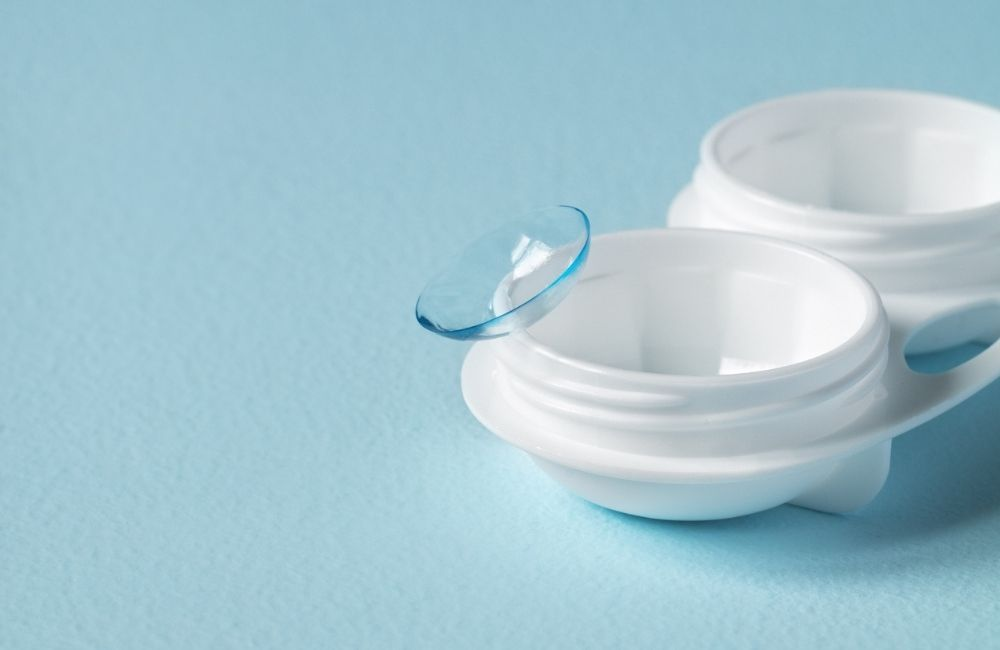
- Contact lenses rest directly on the surface of your eyes and move naturally as you blink
Because of this difference, prescriptions for glasses and contacts are not interchangeable. If you are considering switching, a comprehensive eye exam is necessary to determine the correct prescription for contact lenses.
Contact Lenses: Advantages for Active Lifestyles
Contact lenses offer several advantages, especially for individuals with active routines:
- They do not fog up due to humidity or temperature changes
- They provide a full field of vision without frames blocking your view
- They are more secure during sports and physical activities
Contacts also allow your natural appearance to remain unobstructed, which many people prefer in both professional and social settings. They can be especially helpful when wearing protective gear or masks, as they eliminate interference from frames.
Challenges and Considerations Before Switching
While contact lenses have clear benefits, they also require more responsibility than eyeglasses:
- Daily cleaning and proper storage are essential to maintain eye health
- Some individuals may experience dry eyes, especially in air-conditioned environments or during allergy seasons
- Ongoing costs can be higher, as contacts must be replaced regularly
Not everyone is an ideal candidate for contact lenses. Certain eye conditions or sensitivities may make glasses a better option, or your optometrist may recommend specialized lenses.
How to Make the Switch: The Step-by-Step Process
If you decide to try contact lenses, here is what you can expect:
- Schedule a contact lens evaluation with your optometrist
- Complete a detailed exam to determine the best lens type and fit
- Learn proper techniques for inserting, removing, and caring for your lenses
- Attend follow-up appointments to ensure your eyes adjust well
Most people adapt to contact lenses within a few days, especially with proper guidance and practice.
Practical Tips for Everyday Use
Opti-Care often suggests trying contact lenses on a trial basis before making a full commitment. Many people find success by alternating between glasses and contacts depending on their daily activities.
For those with active lifestyles, contacts can improve comfort and freedom of movement. However, if you spend long hours in front of a screen, eyeglasses may provide greater comfort during extended use. Finding the right balance can help you get the most benefit from both options.
Talk to Us About Your Eyewear Options
If you are deciding between eyeglasses and contact lenses, Opti-Care can guide you through the process with personalized recommendations based on your vision and lifestyle. If you are in Eldersburg, MD, call us at (410) 795-8670 or fill out our contact form to schedule your appointment and explore your options.