If you have ever scheduled an eye exam or considered updating your prescription for contact lenses, you have likely heard of a dilated eye exam. This important part of comprehensive eye care can detect conditions before symptoms develop, helping protect both your vision and your overall eye health. For residents of Eldersburg, MD, understanding the importance, process, and benefits of dilated eye exams is essential.
What Is a Dilated Eye Exam and Why Is It Important?
A dilated eye exam is a comprehensive evaluation in which your optometrist uses specially formulated eye drops to temporarily widen, or dilate, your pupils. This allows a much clearer and broader view of the back of your eye, including the retina, macula, and optic nerve. In contrast, routine eye exams without dilation provide a more limited view and may not reveal the early signs of certain eye diseases.
Early detection is especially important for adults with diabetes, high blood pressure, a family history of glaucoma, or age-related eye conditions. Optometrists also recommend regular dilated eye exams for adults over 60 and anyone experiencing changes in vision.
Conditions Detected Through Dilated Eye Exams
Dilated eye exams can identify a variety of eye conditions that often develop without noticeable symptoms. Some of the most common include:
- Glaucoma: This group of conditions damages the optic nerve and can lead to permanent vision loss if left untreated. Because glaucoma often develops without warning signs, regular dilated eye exams are essential for early detection.
- Diabetic Retinopathy: High blood sugar levels can damage the blood vessels in the retina. A dilated eye exam can identify this condition before it begins to affect your vision.
- Age-Related Macular Degeneration (AMD): AMD is a leading cause of vision loss in older adults. Dilation allows your eye doctor to detect early changes in the macula.
- Cataracts: Although cataracts are often identified during routine eye exams, a dilated exam provides a more detailed evaluation to help determine their severity and the appropriate treatment plan.
- Retinal Tears or Detachment: A dilated exam allows your optometrist to identify retinal tears or detachments more effectively. These conditions require prompt treatment to help preserve vision.
What Happens During a Dilated Eye Exam?
Here is what you can expect during a dilated eye exam:
- Your eye doctor will first evaluate your vision before applying dilating eye drops. You may experience a slight stinging sensation that quickly fades.
- It usually takes 15 to 30 minutes for your pupils to fully dilate.
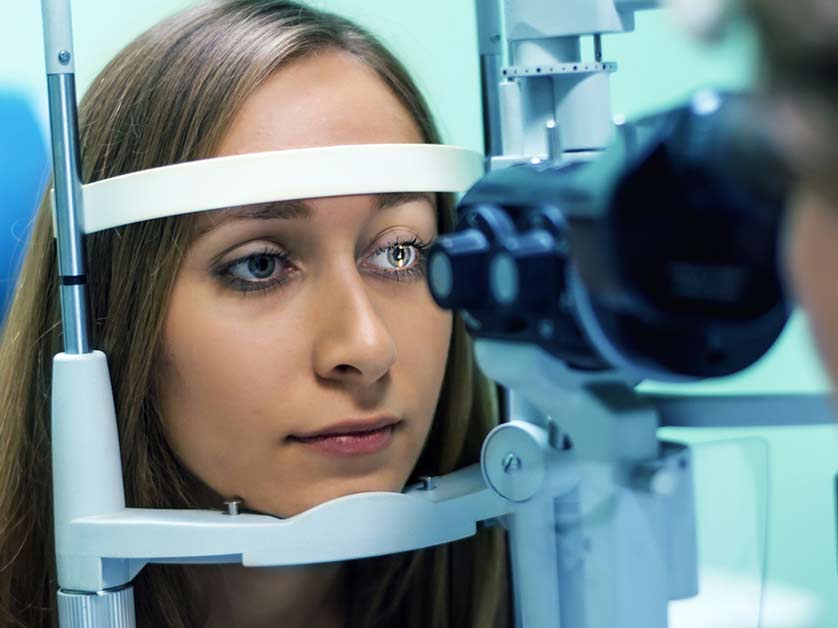
- Once your eyes are dilated, your doctor will use specialized light and magnifying instruments to examine the retina, optic nerve, macula, and blood vessels. You may be asked to look in different directions so every part of the eye can be evaluated thoroughly.
- After the examination, your eyes may be more sensitive to light, and your near vision may remain blurry for several hours. Wearing sunglasses afterward can help improve comfort.
How Often Should You Get a Dilated Eye Exam?
The recommended frequency of dilated eye exams depends on your age, overall health, and risk factors:
- Adults over 60 or those with a family history of eye disease should have a dilated eye exam every one to two years.
- Individuals with diabetes or high blood pressure should follow their eye doctor’s recommendations, which often include annual dilated eye exams.
- Even if you have healthy vision or wear contact lenses, routine dilated eye exams are important for monitoring your long-term eye health.
Schedule Your Dilated Eye Exam in Eldersburg, MD
Prioritizing your eye health today can help protect your vision for years to come. Whether you need a routine eye examination, a comprehensive vision evaluation, or an updated prescription for contact lenses, the experienced team at Opti-Care is here to help. Schedule your dilated eye exam in Eldersburg, MD, today and receive the personalized care you deserve. Call us at(410) 795-8670 or fill out our contact form to set your appointment and explore your vision care options.